Fascinating Story of the Mars Rovers: What Zero Maintenance Taught Us About Reliability
November 9, 2025 - 2 min read
When maintenance is impossible – lessons from the Mars Rovers
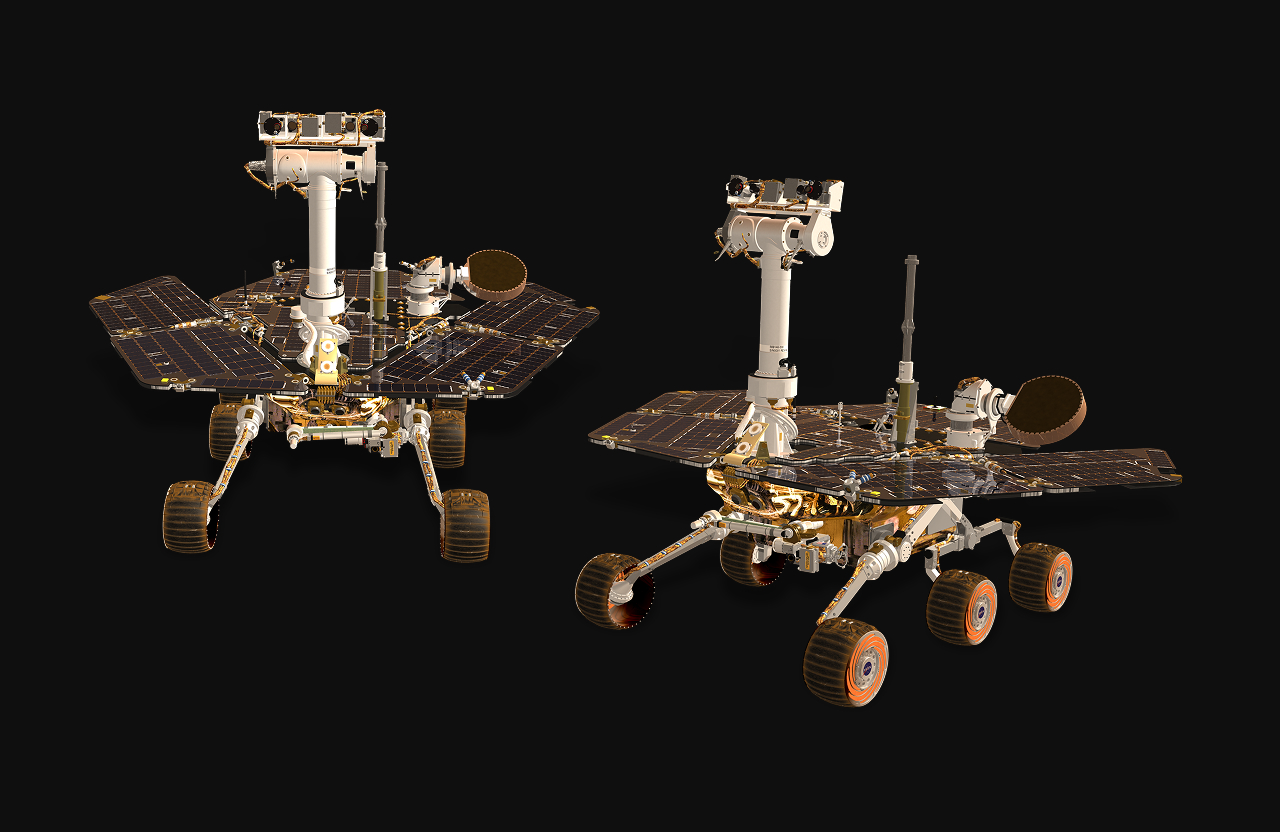
If all assets were built like NASA’s Spirit and Opportunity rovers, we in the maintenance business would be out of a job. Imagine machines that never break down, that survive -100°C nights, dust storms, and 14 years of continuous operation. All without a single service call or spare part!
While that might sound like the dream of every maintenance manager, it’s also a reminder of something profound:
Maintenance isn’t a sign of weakness — it’s a sign of reality.
Unlike NASA, most organizations operate in environments where weather, wear, and human variables demand constant care and improvement. That’s where maintenance management, reliability engineering, and tools like Fieldsmart CMMS come in. Not to eliminate maintenance, but to make it efficient, predictable, and profitable.
The fascinating story of Spirit and Opportunity
In a book I read recently about maintenance and reliability – “Maintenance and Reliability Best Practices” by Ramesh Gulati, I came across a story that perfectly captures the beauty of reliability engineering.
In the book’s foreword, Terrence O’Hanlon shares a remarkable example:
“The Mars rovers Spirit and Opportunity were launched in 2003 and touched down in January 2004, each expected to last 90 days. Spirit survived for 7 years and traveled 7.7 kilometers. Opportunity lasted 14 years and covered 45 kilometers — all with zero maintenance.”
Spirit and Opportunity weren’t just engineering marvels, they were proof of what happens when reliability is “built in” from day one. Every nut, bolt, circuit, and algorithm was designed to survive an environment that humans can’t even breathe in.
That’s the magic of design for reliability (DfR) – and it’s the starting point for every great maintenance strategy here on Earth.
The Maintenance-Free Dream (and why it stays on Mars)
Let’s be honest, the idea of a maintenance-free asset is thrilling. No breakdowns. No replacements. No budgets. No complaints.
But here’s the reality:
“Once an asset is built and commissioned, 80–90% of its future maintenance costs are already locked in.”
As Ramesh Gulati emphasises, the best time to influence reliability is during the early asset life cycle. During design, specification, and commissioning. After that, your influence shifts from prevention to optimisation. On Mars, you design for perfection because maintenance is impossible. On Earth, we design for maintainability because maintenance is inevitable.
What organisations can learn from the Mars Rovers
You don’t need a billion-dollar space budget to achieve reliability. The principles that kept Spirit and Opportunity running for years apply right here on factory floors, hotel facilities, and service networks.
Design for reliability Choose high-quality assets, materials, and suppliers. Reliability starts before a single wrench turns.
Standardize maintenance practices Every maintenance task should have a clear process, checklist, and expected outcome. Consistency drives reliability.
Centralize data and visibility Without data, you’re flying blind. A CMMS like Fieldsmart unites all maintenance data, from assets to spares to technician performance ensuring no knowledge is lost.
Invest in preventive and predictive maintenance Don’t wait for failures. Fieldsmart automates preventive schedules and helps teams identify early warning signs through analytics and IoT integrations.
Build a culture of care Reliable machines come from reliable people. Encourage ownership, pride, and learning among technicians, the human factor behind every reliable operation.
Reliability, Profitability, and Passion
At Fieldsmart, we believe maintenance is not a cost center, it’s a profit enabler.
Every minute of uptime, every optimized task, and every data-driven decision contributes directly to asset longevity and organizational profitability.
Our mission is simple
Help teams get the maximum out of their assets — sustainably, safely, and intelligently.
We may not be building Mars rovers, but we’re helping organizations here on Earth achieve the same spirit of reliability, one work order at a time.
The final thought
Reading Gulati’s book reminded me why we loved building Fieldsmart – because maintenance is the bridge between engineering perfection and real-world performance.
If Mars taught us anything, it’s that reliability starts with design, but it thrives with care. Whether it’s a rover exploring another planet or a compressor powering your production line, the principle remains the same: Reliability isn’t built overnight – it’s maintained every day.
Design for reliability (DfR) is an engineering approach that ensures products are built to perform as intended for their lifespan with minimal failures.
Why can’t all assets be maintenance-free like the Mars rovers?
Because Earth-based assets operate in variable conditions, with human use, wear, and environmental factors, they require adaptive maintenance strategies.
How does Fieldsmart help extend asset life?
Fieldsmart CMMS enables preventive and predictive maintenance, tracks asset performance, and helps identify recurring issues before they cause failures.
What is the role of data in maintenance reliability?
Data allows teams to measure asset health, identify weak points, and continuously improve maintenance strategies, the foundation of reliability-centered maintenance.
Fieldsmart Team
At Fieldsmart, our team combines years of experience in maintenance management and digital transformation.
Every organization wants its equipment to perform better, last longer, and cost less to maintain.The key? Preventive maintenance (PM). A proactive approach....
Maintenance is evolving from reactive repairs to intelligent prediction. The next generation of Computerized Maintenance Management Systems (CMMS) like Fieldsmart leverages AI,....
A CMMS, or Computerized Maintenance Management System, is software that helps organizations plan, track, and optimize maintenance activities.It centralizes work orders, asset....
Transform how your team manages maintenance, assets, and compliance.
Fieldsmart CMMS is ready to adapt to your workflows — whether you manage
a single site or a national operation.